Food safety: the danger zone
Beginner Kitchen basics
Between 40°F and 140°F, bacteria multiply fast, so perishable food shouldn't sit there long.
Written with AI help from the sources listed, and published by Cory. Sources: USDA safe minimum internal temperatures, USDA on the danger zone (40-140°F). Spot a mistake? Tell us and we'll fix it.
How do you do it?
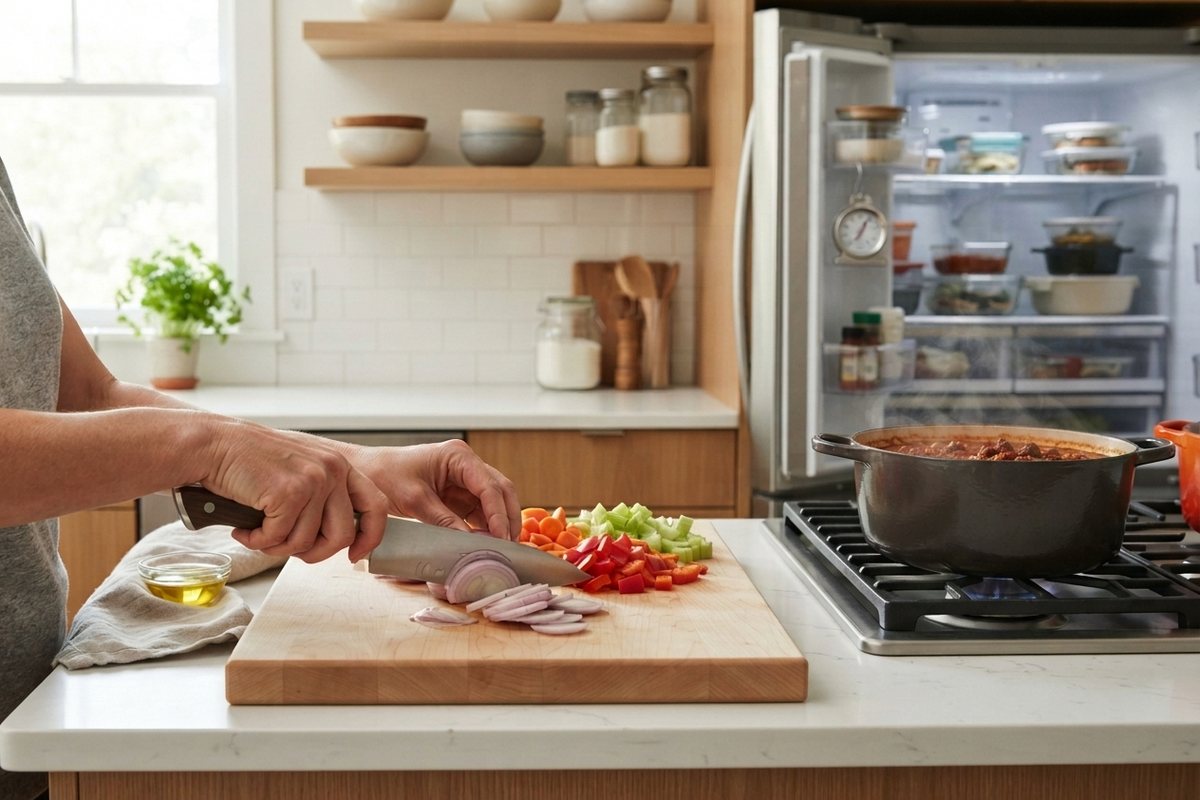
1Keep your fridge at or below 40°F, and keep hot food at 140°F or above.
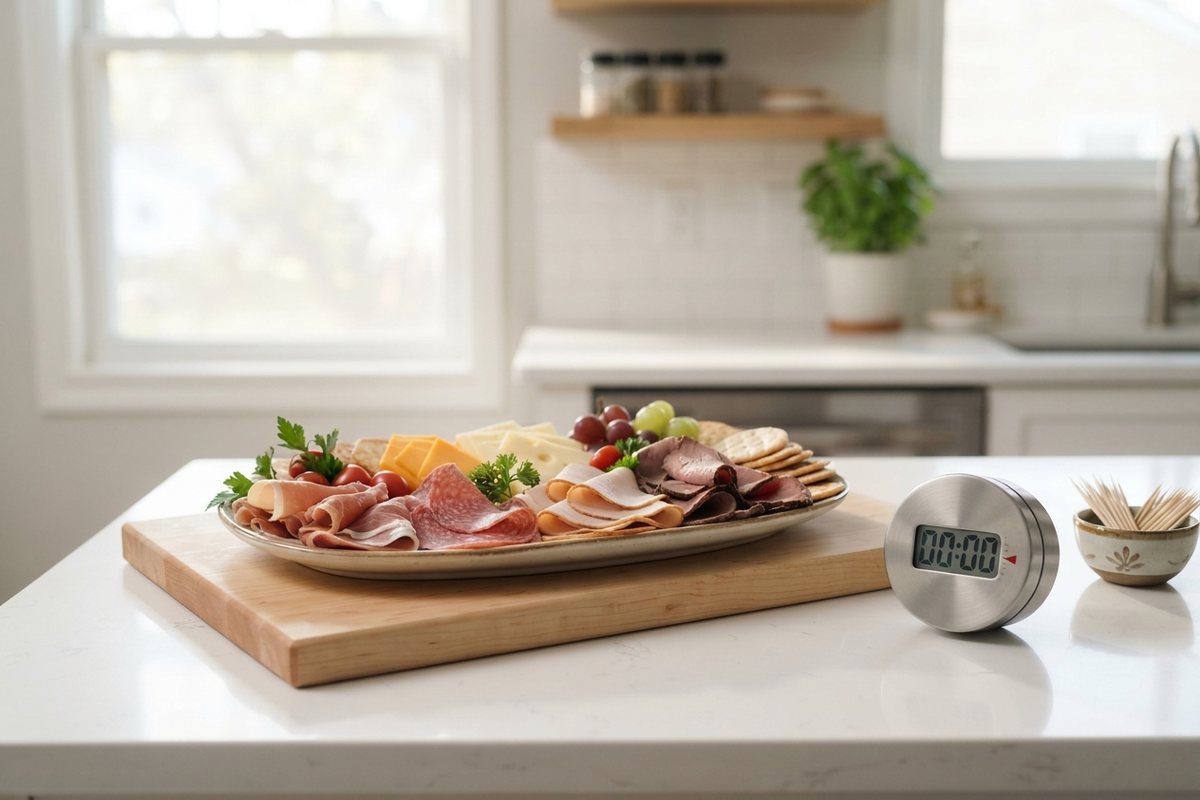
2Don't leave perishable food out more than 2 hours, or 1 hour if it's above 90°F.
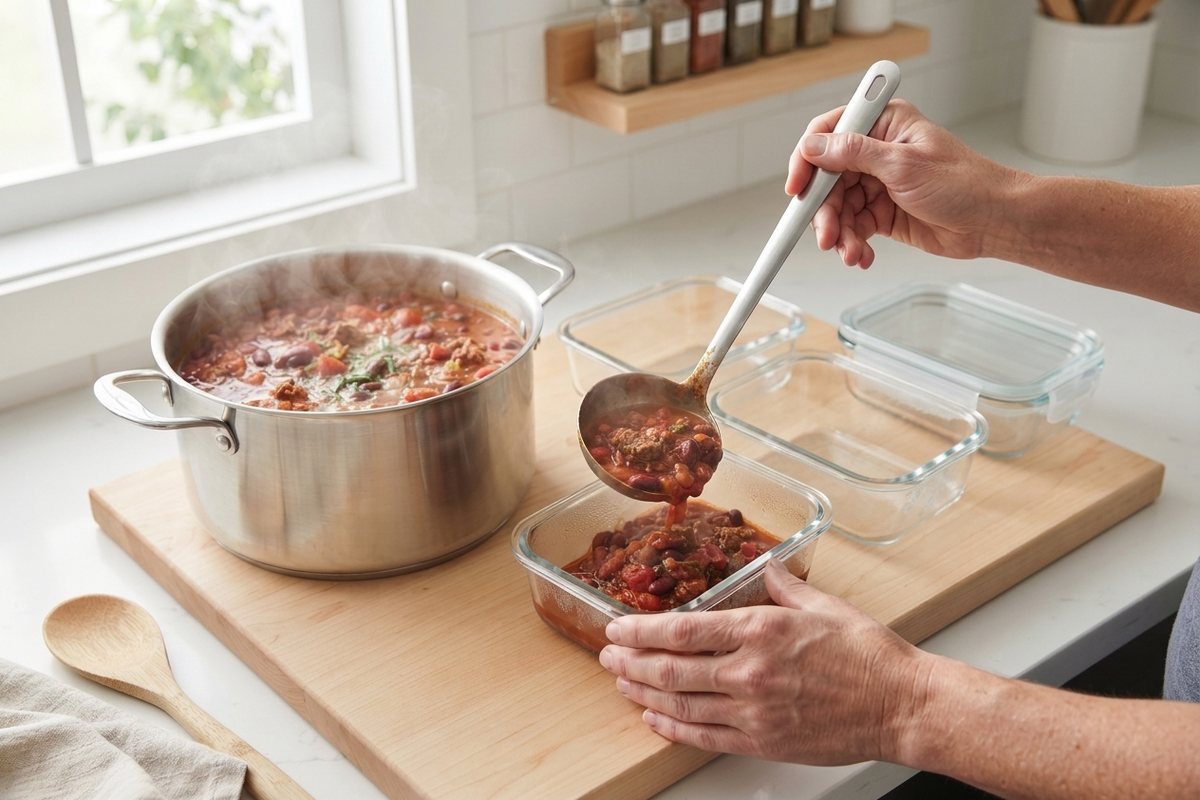
3Divide big batches of leftovers into shallow containers so they chill quickly.
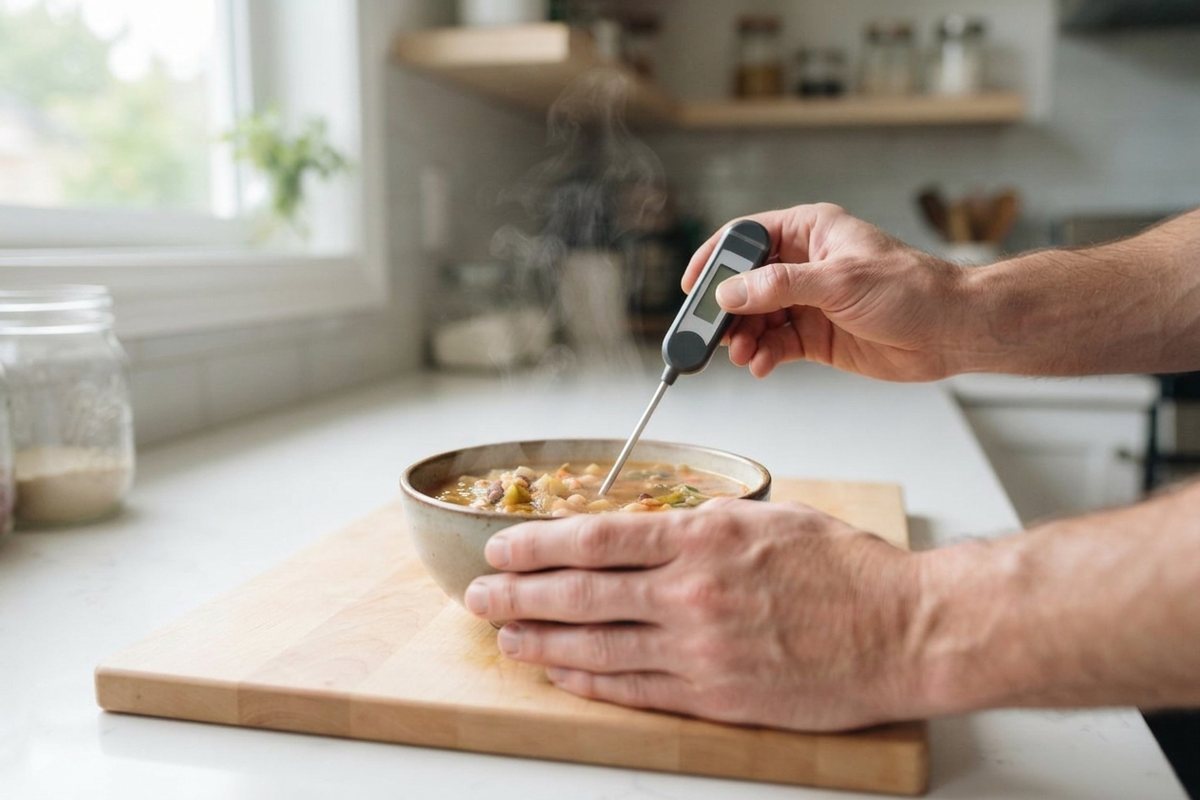
4Reheat leftovers to 165°F.
Why does it work?
Many bacteria that cause food poisoning grow fastest at room temperature and can double in about 20 minutes. Some make toxins that reheating doesn't destroy, so time out matters even if you cook it again.
What are the common mistakes?
- Leaving a pot of soup out to cool overnight — it sits in the danger zone for hours.
- Putting a huge, deep container in the fridge — the center stays warm too long.
- Assuming reheating fixes it — some toxins survive heat.
Still stuck? Watch someone do it on YouTube.
More kitchen basics
- Mise en place (getting everything ready first)Prepping and measuring every ingredient and setting out your tools before you turn on the heat.Beginner
- Reading a recipe before you startReading the whole recipe start to finish before you cook so there are no surprises.Beginner
- Preheating the pan and the ovenLetting your oven or pan fully reach temperature before the food goes in.Beginner
- Knowing when oil is hot, and smoke pointsReading the signs that oil is hot enough to cook in, and choosing an oil that suits the heat.Beginner
- Measuring ingredients (dry vs. liquid)Using the right cups and method so your amounts match what the recipe intended.Beginner
- Using a meat thermometerChecking the inside temperature of meat so you know it's safe and not overcooked.Beginner